Signs Your Jacksonville Roof Needs Replacement: A Residential Roofing Contractor's Guide
Knowing your roof may need replacement is one of the most important things a Jacksonville homeowner can do to protect their property, and a qualified residential roofing contractor can help you make that call with confidence. Florida's climate is notoriously hard on roofing systems. Between relentless UV exposure, high humidity, heavy summer thunderstorms, and the annual threat of hurricanes, roofs in Jacksonville, FL, tend to age faster than in many other parts of the country. Spotting the warning signs early can mean the difference between a planned roof replacement and an emergency situation.
Age Is the First Thing to Consider
A roof that has reached the end of its service life may look fine from the ground but still be failing underneath. Most standard asphalt shingle roofs in Florida are generally expected to last between 15 and 20 years, depending on material quality and attic ventilation. If your roof is approaching or has exceeded that range, it is worth having a professional inspection to document its current condition, even if you have not noticed any obvious problems yet.
Jacksonville's intense heat and UV exposure can shorten the lifespan of roofing materials compared to cooler climates. A roof installed in the 1990s or early 2000s may already be overdue for evaluation by a residential roofing contractor who understands the demands of the local climate.
Granule Loss and Shingle Deterioration
Granule loss is one of the clearest signs that asphalt shingles are wearing out. You may notice granules collecting in gutters or around downspouts after rain. When the protective granule coating wears away, the underlying asphalt is exposed directly to the sun, causing it to dry out and crack more quickly.
Other shingle problems to watch for include curling or cupping at the edges, which often signals moisture damage or age-related shrinkage; cracking or splitting across individual shingles; blistering from poor attic ventilation; and missing shingles, which leave the roof deck exposed to water intrusion.
Any one of these conditions can point toward the need for a full evaluation. When multiple issues appear together, the case for roof replacement typically grows stronger. Speaking with a residential roofing contractor sooner rather than later can help you understand your options before conditions worsen.
What Water Damage Inside the Home Actually Indicates
Water stains on ceilings or interior walls often signal a roof system that can no longer shed water effectively. These stains may appear as brown rings or discoloration and can grow larger over time as the underlying issue worsens.
A visible ceiling stain does not always mean water entered directly through the roof at that exact point. Water travels along rafters and framing before dripping. A thorough inspection by a residential roofing contractor traces the moisture path back to its source, identifies the true entry point, and documents findings with photos and written notes so you have an accurate record of the damage.
Mold growth in the attic, soft or spongy spots on the roof deck, and a musty odor inside the home can all indicate that water has been entering the structure for some time. These conditions tend to get worse the longer they go unaddressed.
Storm Damage Is Not Always Visible From the Ground
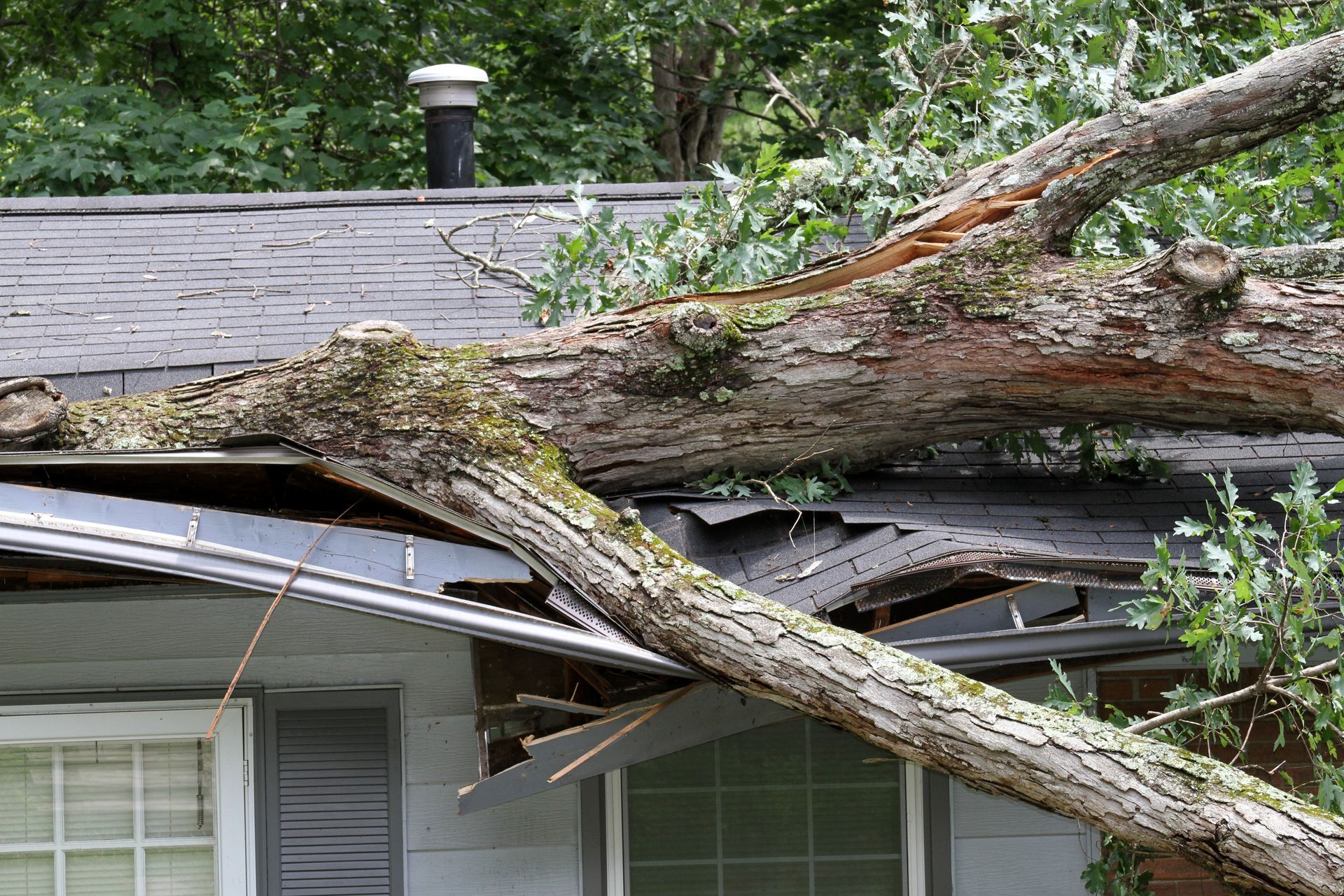
Jacksonville, FL, sits squarely in hurricane territory, and even storms that do not make direct landfall can produce winds strong enough to lift shingles, crack ridge caps, and damage flashing around vents, chimneys, and skylights. After any significant weather event, a professional inspection can reveal damage that is not visible from the street. A qualified residential roofing contractor will document findings in detail so homeowners have a clear picture of what occurred and what the roof's current condition is.
When storm damage is identified, a roofing company can connect homeowners with licensed public adjusters who specialize in navigating the claims process, helping ensure that documentation is complete and accurate before any work begins.
Sagging, Structural Issues, and Flashing Failures
Sagging areas on the roof surface are a serious concern. A healthy roof deck should feel solid and stable. Any area that feels soft underfoot, or that appears to dip or bow from the street, may indicate deterioration of the underlying deck, damaged rafters, or long-term moisture exposure.
Flashing failures are another common contributor to roof problems. Flashing is the metal material installed at joints and transitions, such as where the roof meets a chimney, dormer, or wall. When flashing lifts, cracks, or corrodes, water finds a direct pathway into the structure. Flashing issues alone do not always require full roof replacement, but they are a sign that careful evaluation by a residential roofing contractor is needed.
How Detailed Documentation Protects You as a Homeowner
A thorough inspection is not just about identifying problems. It also creates a written and photographic record of your roof's condition at a specific point in time. This documentation matters if storm damage occurs later or if you are preparing to sell your home. Look for a residential roofing contractor who provides a written report with photos rather than just a verbal opinion.
Schedule a Free Roof Inspection in Jacksonville Today
If your Jacksonville, FL, roof is showing any of these signs, the best next step is a professional inspection by a team you can trust. Heritage Roofing of North Florida provides thorough, detailed roof inspections for homeowners throughout Jacksonville and the surrounding First Coast communities. Every inspection is guided by The Heritage Standard, meaning you receive honest findings, complete documentation, and a clear explanation of your options, with no pressure and no upselling.
Call (904) 962-7663 to schedule your free roof inspection, request a free estimate online, or learn more about residential roofing services. You can also find Heritage Roofing of North Florida on Google to read reviews from homeowners throughout the area.