
Storm and Hurricane Damage Roofing: What Jacksonville Roofers Want You to Know in 2026
Storm and hurricane damage roofing in Jacksonville, FL, is a serious concern every Duval County homeowner should understand before the next tropical system forms. If you own a home in Jacksonville and are wondering what to do when a storm hits your roof, this guide covers the key steps, from documenting damage to working with a roofer and your insurance company.
What Jacksonville's Storm Season Means for Your Roof
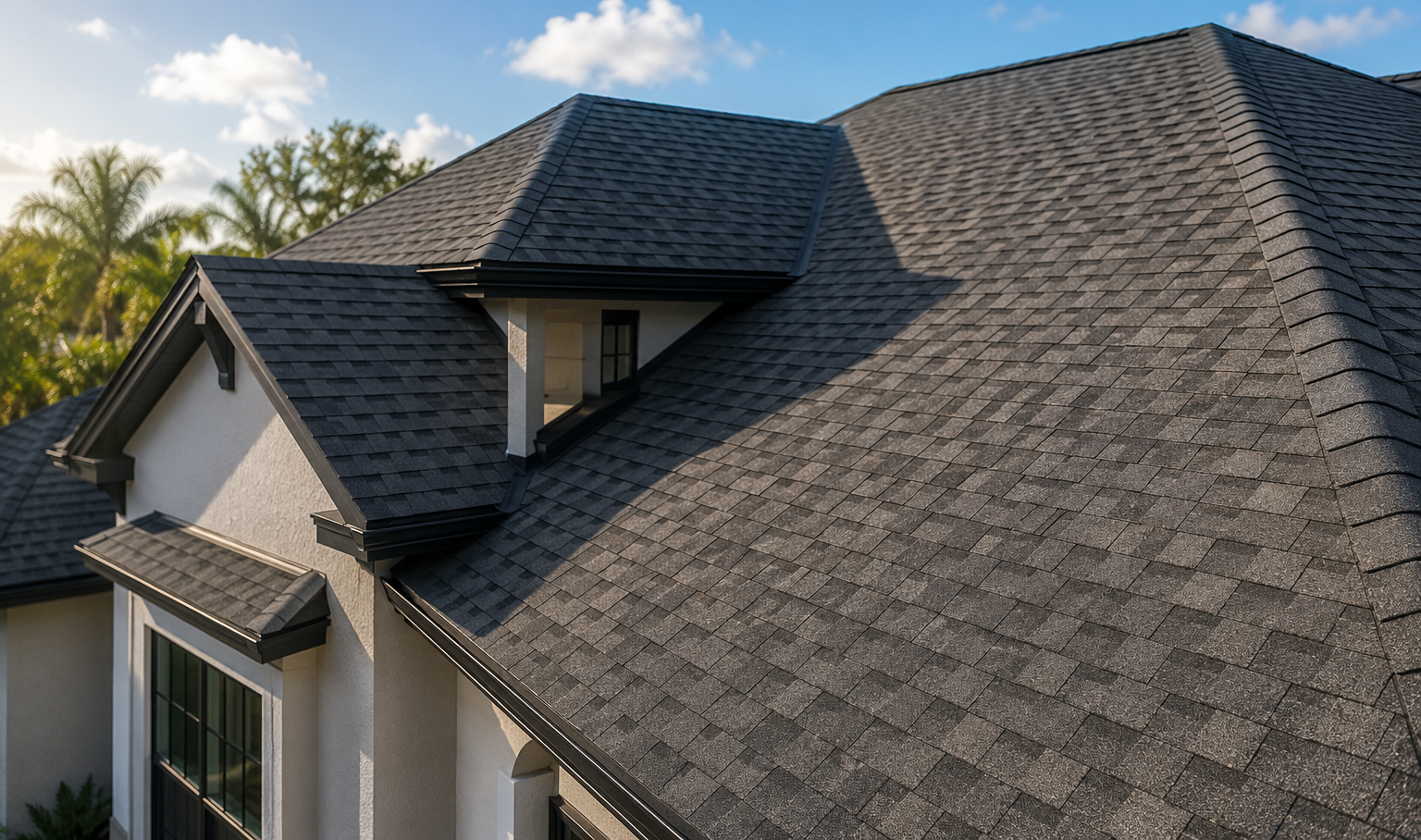
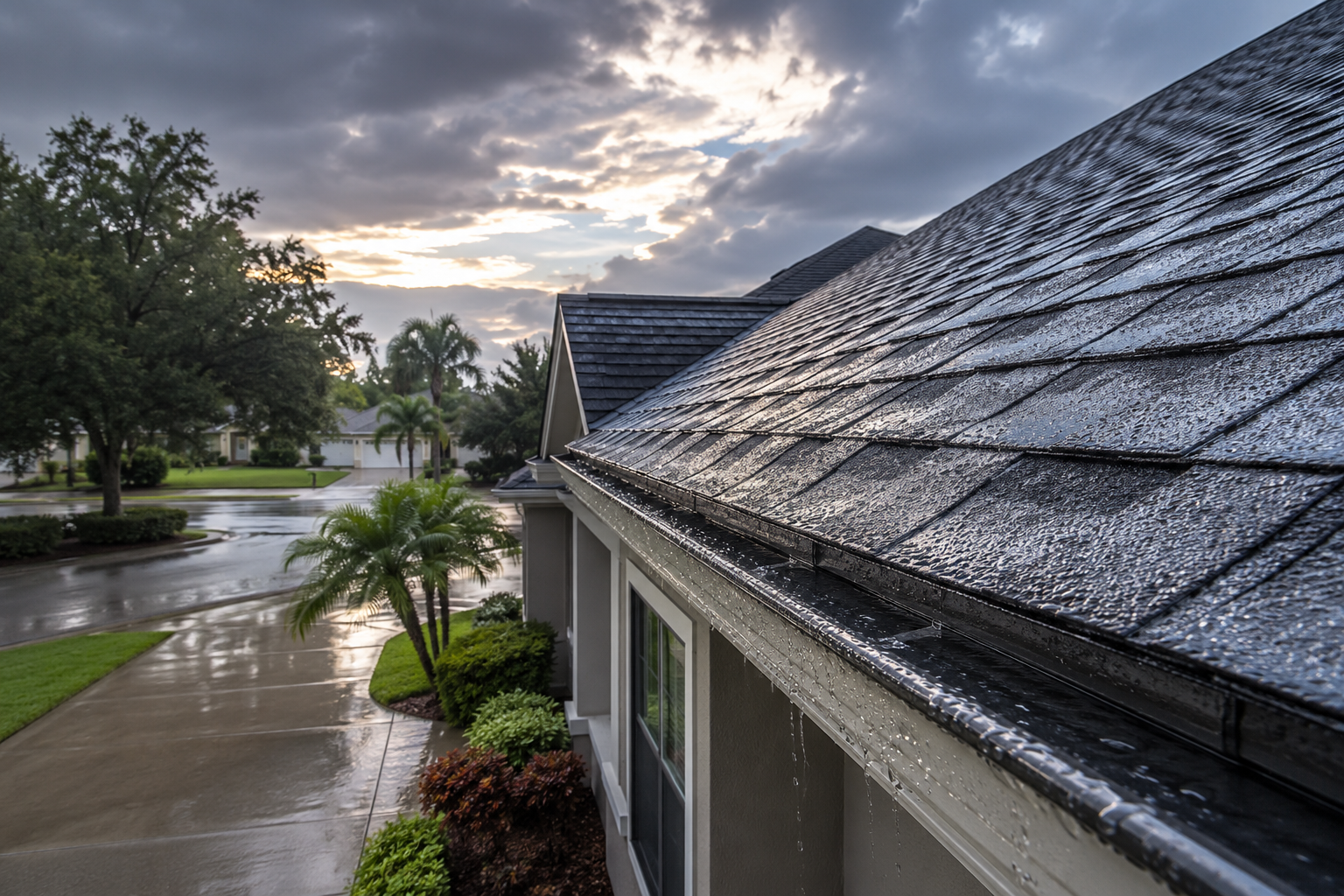
Northeast Florida's storm season runs June through November and brings real risk to residential roofs across Duval County. Jacksonville sits along the Atlantic coast, facing tropical systems, heavy summer downpours, and high-humidity conditions that shorten roof lifespan year after year. Coastal areas like Jacksonville Beach, Neptune Beach, and Atlantic Beach see steady salt-spray winds, while inland neighborhoods such as San Marco, Springfield, and Arlington experience intense downpours that stress valleys and gutters. Tree-canopied areas like Avondale and Ortega add risk from limb and debris impact during strong gusts.
Repeated exposure to wind, rain, and sun gradually weakens roofing materials between storms, so a roof that looked fine last season may be more vulnerable heading into 2026. As experienced roofers serving Jacksonville, FL, we spot early wear that most homeowners miss from the ground.
How to Document Storm Damage for an Insurance Claim in Florida
Thorough, timely documentation gives your insurance claim the strongest possible foundation. As soon as it is safe to go outside, begin recording evidence from ground level. Do not climb onto the roof yourself.
Document before calling your insurer: photograph every visible area of damage from multiple angles, including gutters and soffits; record the date and time of your photos; note interior signs of water intrusion such as ceiling stains or damp attic insulation; save weather service alerts confirming the storm event in Duval County; and keep receipts for any emergency protective measures like tarping.
Florida homeowners should also confirm two things on their declarations page: whether their deductible is a flat dollar amount or a hurricane deductible calculated as a percentage of insured value, and whether roof coverage is replacement cost value or actual cash value. Both factors significantly affect your payout.
Duval County requires permits for roof replacement and significant repair work, so any contractor you hire should be prepared to pull proper permits and schedule required inspections with the county building department.
Should I File an Emergency Claim or Wait for an Inspection?
File an emergency claim right away if you have active water intrusion, visible structural damage, or large sections of missing material. For less obvious damage, schedule a professional inspection before contacting your insurer so you have independent documentation in hand. We can identify concealed damage that an adjuster might overlook, such as lifted flashing, bruised shingles, or compromised underlayment.
What Storm Damage Signs Should Jacksonville Homeowners Watch for?
Common indicators include missing or lifted shingles, granule accumulation in gutters, visible dents or cracks in tile, damaged flashing around vents and chimneys, sagging gutters, and water stains on interior ceilings. Many signs appear days after the event as trapped moisture works through the system. Contact us promptly rather than waiting for a routine seasonal inspection.
How Owens Corning Warranty Status Can Help After a Storm
Working with us as an Owens Corning Platinum Preferred Contractor offers advantages when storm damage occurs. The Platinum Protection warranty covers manufacturing defects and wind damage and may include workmanship coverage that supports your insurance claim documentation. Insurance adjusters often need proof that a roof was properly installed with quality materials, and a Platinum warranty demonstrates a higher standard of care. The warranty is also transferable if you sell your home.
Physical storm damage from hurricanes, falling debris, or hail is typically a matter for your homeowner's insurance policy rather than the manufacturer's warranty. We can help you understand what each form of coverage addresses and coordinate documentation for your claim.
Choosing the Right Roofer After a Hurricane or Severe Storm
Storm events attract unlicensed contractors who solicit door-to-door and disappear after collecting a deposit. Verify any roofing company's Florida contractor license number before signing anything. In Duval County, confirm license status through the Florida Department of Business and Professional Regulation. Look for a contractor with verifiable local references, a physical Jacksonville-area address, and experience with your specific roof type, whether shingle, metal, tile, or flat roofing.
We provide a written inspection report, a clear scope of work, and guidance on the permit process before repairs begin.
Get a Storm Damage Inspection Before the Season Peaks
The best time to assess your roof is before a storm threatens. Jacksonville often sees early rain bursts in late spring, well ahead of peak hurricane activity, so scheduling an inspection in the first half of the year helps you avoid long wait times after a major weather event.
Ready to Protect Your Jacksonville Home? Contact Heritage Roofing
When storm damage puts your home at risk, you need a roofer you can trust to respond quickly and work honestly — and that is what we do. At Heritage Roofing of North Florida, we provide storm damage inspections, emergency response, insurance claim assistance, and complete roof restoration throughout Jacksonville, FL, and across Duval County. As an Owens Corning Platinum Preferred Contractor with more than 25 years of experience and over 1,100 roofs installed, our team is equipped to assess every roof type and guide you through every step of the recovery process.
Request a free storm damage inspection or explore the full range of residential and commercial roofing services available to Jacksonville homeowners. You can also call (904) 962-7663 to speak with our team directly. Find Heritage Roofing on Google Maps and read verified reviews from Duval County neighbors at Heritage Roofing.