

How Much Life Does My Roof Have Left?
Your Roof Isn't Going to Tell You It's Time.
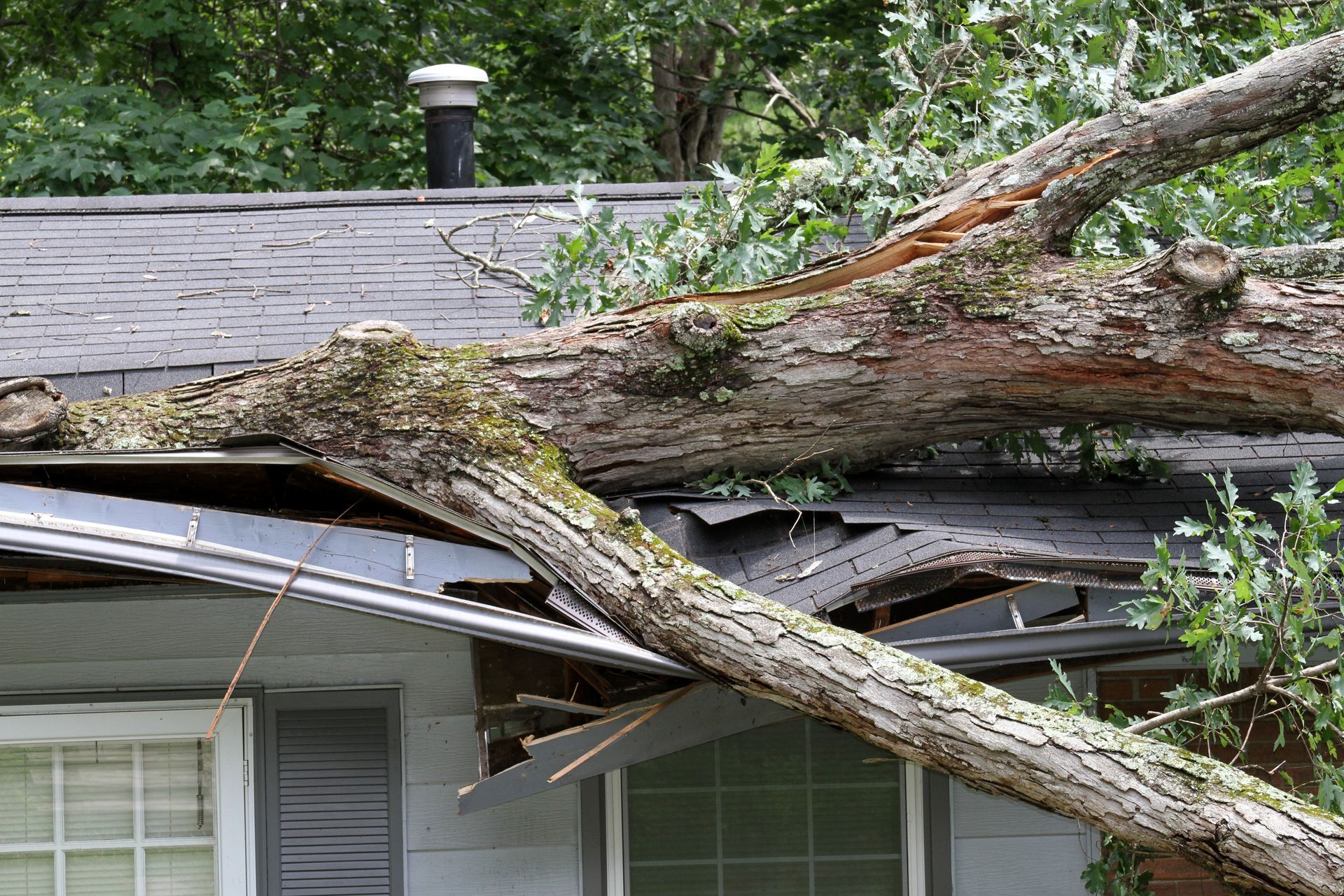
For most homeowners, the roof is one of the most overlooked parts of the home—until a leak appears. Unfortunately, by the time water stains show up on your ceiling, your roof may have been deteriorating for years.
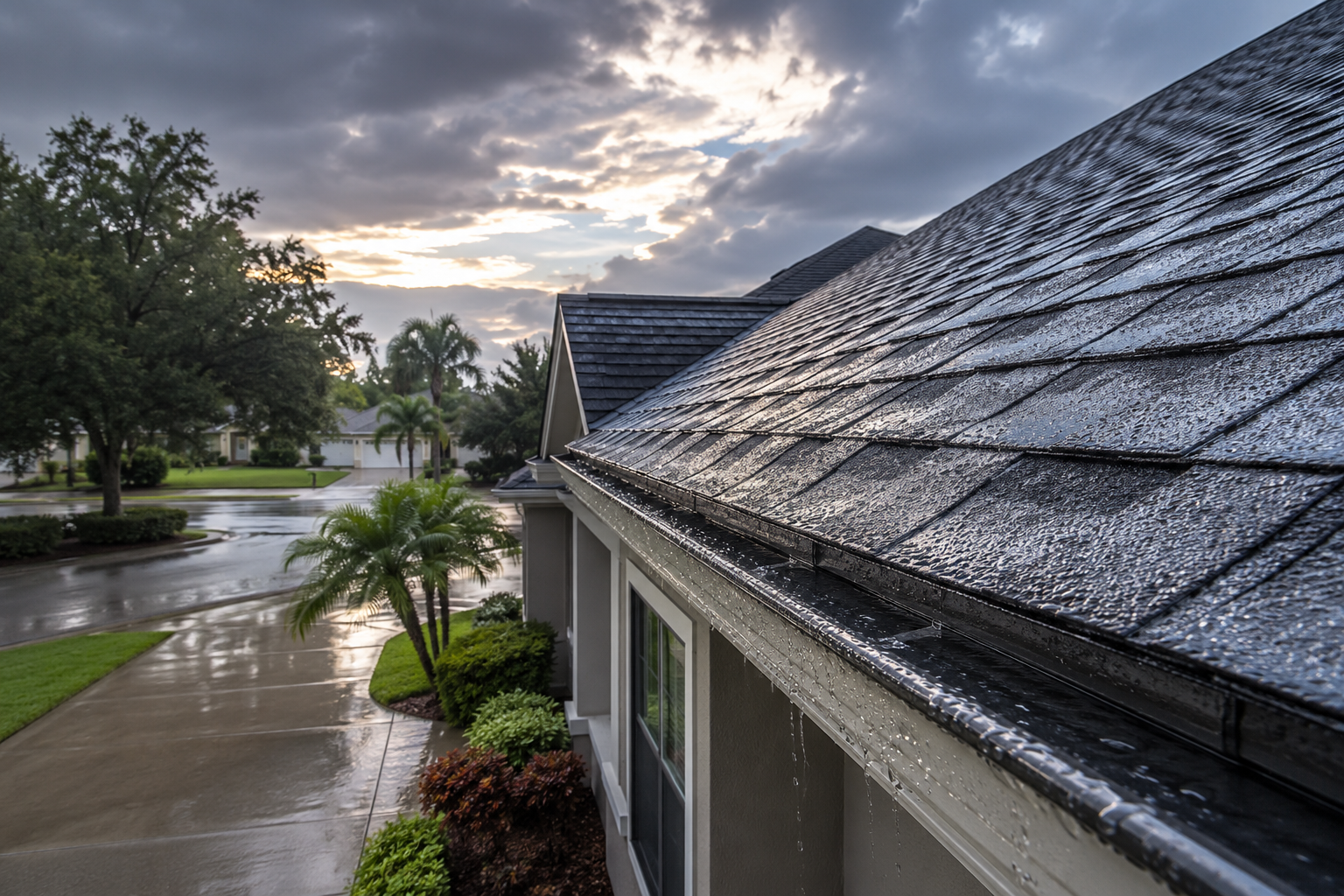
In Northeast Florida, your roof endures intense ultraviolet (UV) exposure, heavy rain, high humidity, tropical storms, and strong winds throughout the year. Even the highest-quality roofing systems naturally age over time.
At Heritage Roofing of North Florida, one of the most common questions we hear is:
"How much longer will my roof last?"
While there's no one-size-fits-all answer, understanding what affects your roof's lifespan—and recognizing the warning signs of deterioration—can help you make informed decisions before minor issues become major repairs.
What Determines the Life of a Roof?
Several factors determine how long your roof will continue protecting your home.
Roofing Material
Different roofing materials have different expected lifespans. Architectural asphalt shingles, metal roofing, tile roofing, and specialty roofing systems are all designed to perform differently under Florida's climate.
Installation Quality
Even the best roofing materials can fail prematurely if they aren't installed correctly. Proper flashing, ventilation, fastening patterns, and attention to manufacturer specifications all play a significant role in how long your roof lasts.
Ventilation
A properly ventilated attic helps regulate heat and moisture. Poor ventilation can accelerate shingle deterioration, increase cooling costs, and shorten the life of the roofing system.
Florida Weather
North Florida's combination of intense sunshine, frequent rainstorms, humidity, and hurricane-season winds places more stress on roofing systems than many other parts of the country.
Maintenance
Routine inspections and prompt repairs help maximize your roof's lifespan. Replacing a few damaged shingles today can often prevent much larger repairs tomorrow.
Storm History
Every significant wind event, hailstorm, or tropical system adds wear to your roof. Even when damage isn't immediately visible, repeated exposure can gradually weaken roofing materials.
Typical Roof Lifespans in Florida
Every roof is different, but Florida's intense sun, heat, humidity, heavy rain, and hurricane-force winds typically shorten a roof's lifespan compared to other parts of the country. Here are realistic expectations for homeowners in Northeast Florida:
- Architectural Asphalt Shingles: 15–25 years
- Standing Seam Metal Roofing: 40–60 years
- Concrete Tile Roofing: 40–50 years
- Clay Tile Roofing: 50+ years (although the underlayment beneath the tile often requires replacement much sooner)
- TPO Roofing Systems (Flat Roofs): 20–30 years
These estimates assume the roof was properly installed, adequately ventilated, routinely maintained, and hasn't sustained significant storm damage. Coastal homes exposed to salt air and frequent storms may experience a shorter lifespan than homes farther inland.
7 Signs Your Roof May Be Nearing the End of Its Life
1. Curling or Cracked Shingles
As shingles age, they begin losing flexibility. Curling edges or visible cracking are signs that the roofing material is deteriorating and becoming more vulnerable to wind and water intrusion.
2. Granules Collecting in Gutters
The small granules covering asphalt shingles protect them from ultraviolet (UV) damage. As these granules wear away, shingles become more susceptible to premature aging.
3. Missing or Damaged Shingles
Missing shingles expose the underlying roofing system to the elements and increase the likelihood of leaks, especially during heavy rain or strong winds.
4. Water Stains Inside the Home
Brown ceiling stains, peeling paint, or moisture around windows and walls can all indicate a roof leak that requires immediate attention.
5. Soft or Deteriorated Roof Decking
If portions of the roof feel soft or appear to sag, moisture may have compromised the wood decking beneath the shingles.
6. Frequent Repairs
If you're repeatedly repairing different sections of an aging roof, replacement may become the more economical long-term solution.
7. Your Roof Is More Than 15 Years Old
Age alone doesn't mean your roof needs replacing, but once a roof reaches 15 years or more, it's wise to have it professionally inspected on a regular basis.
Repair or Replace?
One of the most common questions homeowners ask is whether a roof can be repaired or if it's time for a complete replacement.
A repair is often the best solution when damage is isolated to a small area. Replacing a few shingles, repairing flashing, or addressing minor storm damage can often restore the roof without replacing the entire system.
However, if your roof is approaching the end of its expected lifespan, has experienced multiple leaks, or shows widespread deterioration, replacement is often the smarter long-term investment. While repairs may temporarily solve one issue, they won't stop age-related wear from continuing throughout the rest of the roof.
At Heritage Roofing, we believe homeowners deserve honest guidance—not sales pressure. If a repair is the right solution, we'll recommend it. If replacement will better protect your home and save you money over time, we'll explain why and help you understand your options.
Why Waiting Can Cost More
Many homeowners delay addressing roofing problems because the roof isn't actively leaking. Unfortunately, visible leaks often represent only a small portion of the damage occurring beneath the shingles.
Moisture that enters the roofing system can slowly damage the wood decking, insulation, drywall, and even electrical components before becoming noticeable inside the home. Left untreated, that moisture can create conditions that promote mold growth and require more extensive structural repairs.
Minor roofing issues also tend to become more expensive over time. A simple repair today can develop into damaged decking, emergency leak mitigation, interior painting, insulation replacement, or a much larger roof repair after the next heavy rainstorm.
Insurance can also become more complicated when damage is allowed to worsen over an extended period. Some policies may limit coverage for long-term deterioration or deferred maintenance, making early inspections and prompt repairs especially important.
Addressing roofing concerns early is almost always less expensive than waiting until water has already entered your home.
Why Homeowners Choose Heritage Roofing
Choosing a roofing contractor is about more than selecting shingles—it's about choosing a company you can trust to protect your home.
Homeowners throughout Northeast Florida choose Heritage Roofing because we believe every project should reflect The Heritage Standard—a commitment to craftsmanship, integrity, communication, and exceptional customer service.
When you work with Heritage Roofing, you can expect:
- Official Roofing Partner of the Jacksonville Jaguars.
- Owens Corning Platinum Preferred Contractor.
- More than 25 years of roofing experience.
- Over 1,100 roofing systems installed throughout Northeast Florida.
- More than 180 five-star Google reviews with no ratings below five stars.
- Fully licensed and insured professionals.
- Premium roofing products from trusted manufacturers including Owens Corning, GAF, CertainTeed, TAMKO, Brava Roof Tile, Worthouse, and Elevate.
- Manufacturer-backed warranty options on qualifying roofing systems.
- Honest recommendations focused on your home's needs—not high-pressure sales.
- Dedicated project management and clear communication from inspection through final walkthrough.
- Clean job sites with meticulous attention to detail.
- Local service throughout Jacksonville, Jacksonville Beach, Ponte Vedra Beach, St. Johns County, St. Augustine, Orange Park, Fleming Island, and surrounding Northeast Florida communities.
Areas We Serve Throughout the First Coast
Heritage Roofing of North Florida proudly serves homeowners throughout:
- Jacksonville, FL
- Jacksonville Beach
- Atlantic Beach
- Neptune Beach
- Ponte Vedra Beach
- St. Augustine
- Orange Park
- Fleming Island
- Middleburg
- Green Cove Springs
- Nocatee
- Mandarin
- Riverside
- Avondale
- San Marco
- Arlington
- Southside
- Julington Creek
- Yulee
- Fernandina Beach
- Amelia Island
Schedule Your Free Roof Evaluation
If you're unsure how much life your roof has left, don't wait until a leak tells you the answer.
Our experienced team will perform a thorough roof evaluation, explain the condition of your roofing system, answer your questions honestly, and provide recommendations based on what's best for your home—not our sales goals.
Whether your roof needs a simple repair or it's time to begin planning for a replacement, Heritage Roofing is here to help.
Schedule your free roof evaluation today and experience The Heritage Standard.
How long does an asphalt shingle roof last in Florida?
Most architectural asphalt shingle roofs in Florida last 15 to 25 years, depending on the quality of the roofing materials, installation, attic ventilation, maintenance, and exposure to Florida's heat, humidity, and severe weather.
Should I replace my roof if it isn't leaking?
Not necessarily. Many roofs begin showing signs of wear long before a leak develops. If your roof is aging or has sustained storm damage, a professional inspection can determine whether a repair is appropriate or if replacement is the better long-term solution.
Is a 15-year-old roof too old?
Not necessarily. A 15-year-old asphalt shingle roof can still have years of reliable service life remaining if it was professionally installed, properly ventilated, well maintained, and hasn't sustained significant storm damage. However, once a roof reaches 15 years of age, Florida's intense sun, heat, humidity, and severe weather can begin accelerating the aging process. Annual professional inspections can help identify minor issues early, extend the life of your roof, and help you plan for future maintenance or replacement before unexpected problems arise.
How often should I have my roof inspected?
Heritage Roofing recommends having your roof professionally inspected at least once a year and after any major storm or hurricane. If your asphalt shingle roof is 15 years old or older, annual inspections become even more important to identify potential issues before they lead to costly repairs.
Will my homeowner's insurance pay for a new roof?
nsurance coverage depends on the cause of the damage and the terms of your homeowner's policy. Damage caused by covered events, such as wind or hail, may be eligible for insurance coverage, while normal aging, wear and tear, or lack of maintenance are typically not covered. Heritage Roofing can help document storm-related damage and assist you throughout the claims process.
What are the first signs that a roof is failing?
Common warning signs include curling or cracked shingles, missing shingles, excessive granule loss, water stains on ceilings or walls, soft or sagging roof decking, recurring leaks, and roofs that are 15 years old or older showing signs of deterioration. Scheduling an inspection early can help prevent more extensive damage.
Does Heritage Roofing provide free roof inspections?
Yes. Heritage Roofing proudly provides complimentary roof evaluations for homeowners throughout Northeast Florida. Our experienced team will assess the condition of your roof, explain any findings, and provide honest recommendations so you can make informed decisions about protecting your home.