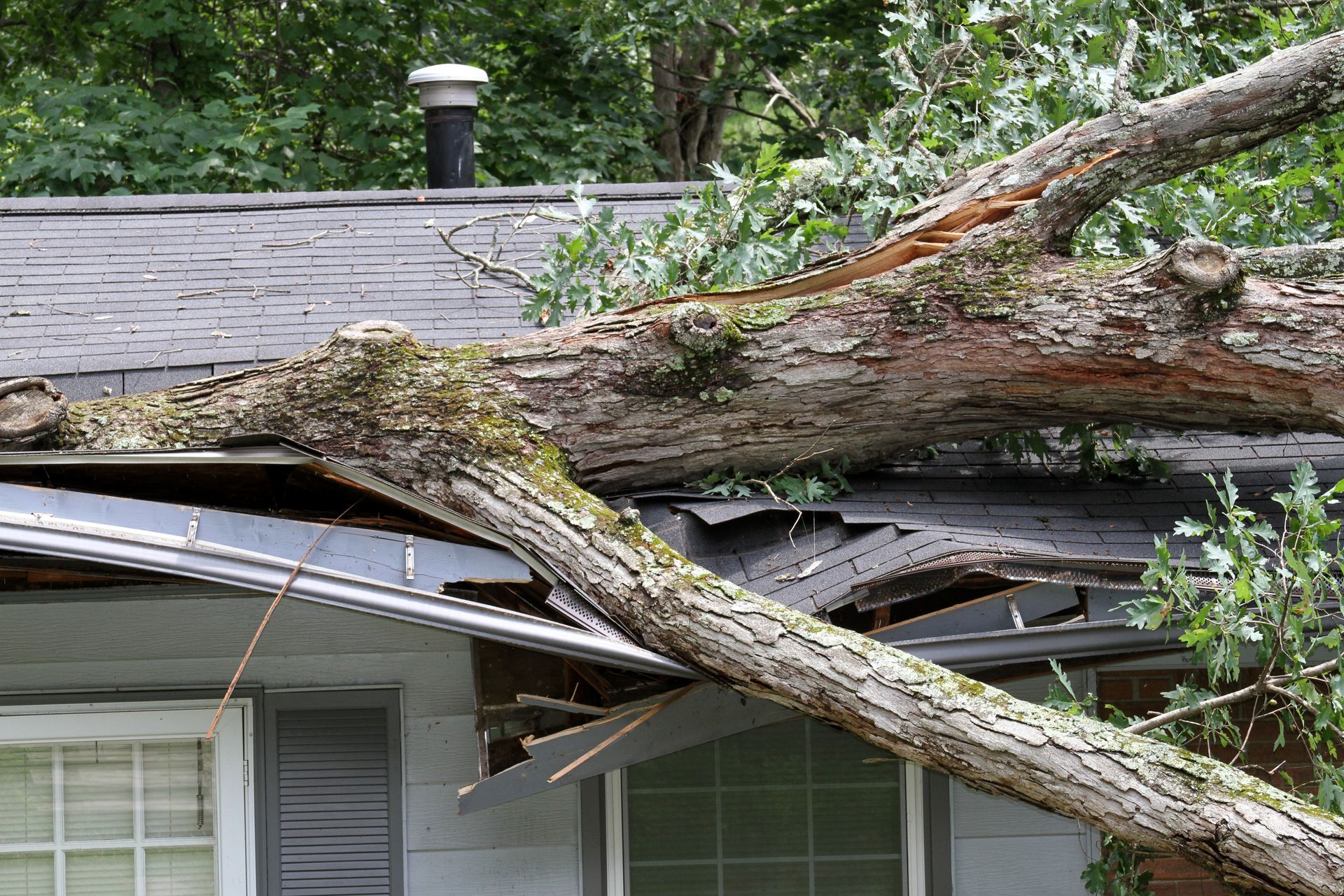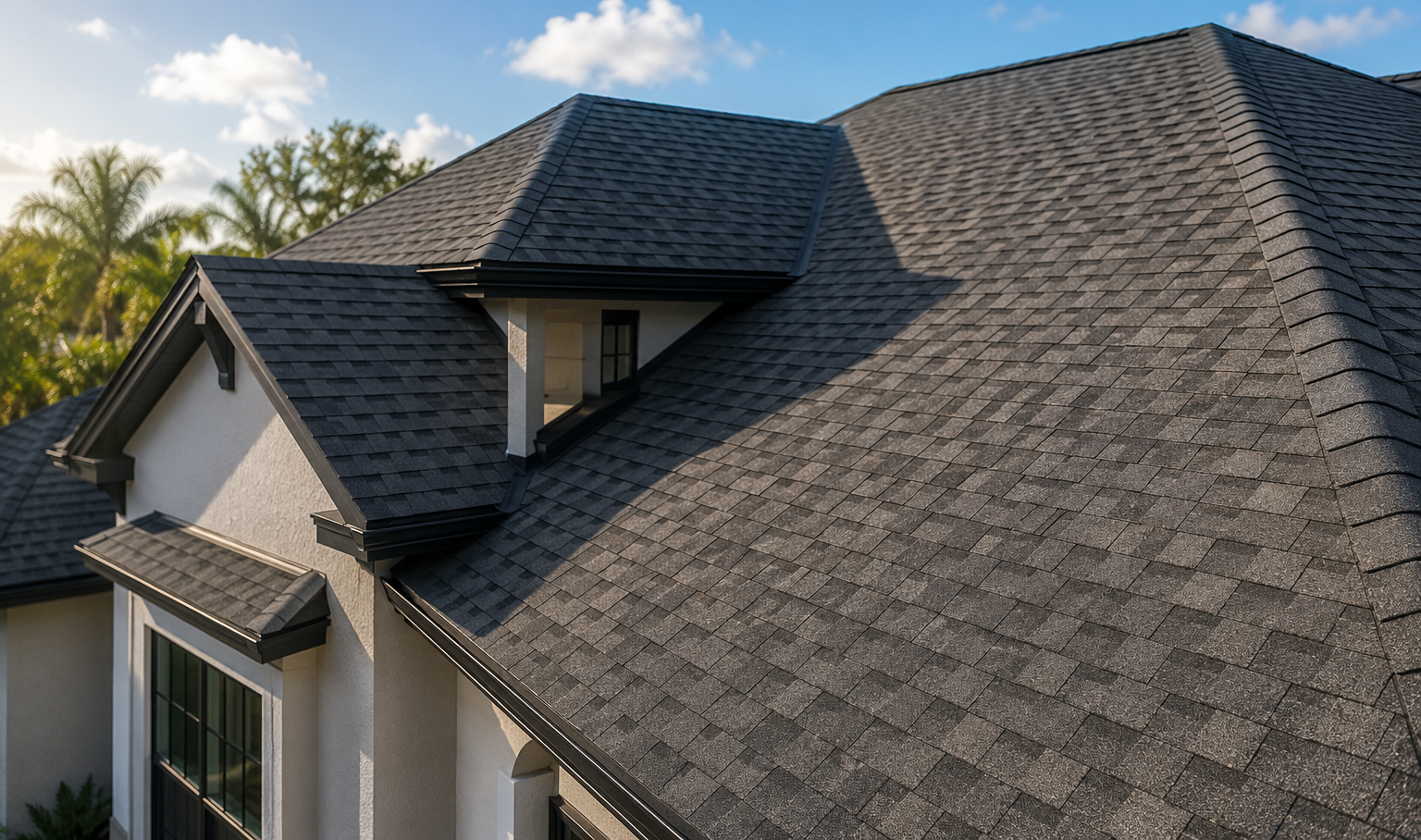



The Rain Stopped. Is Your Roof Really Fine?
It Rained. Your Roof Didn't Leak. Does That Mean Everything Is Fine?
After heavy summer rain moves through Northeast Florida, most homeowners check for the obvious signs of trouble—a ceiling stain, a dripping vent, or water on the floor.
But what if you don't see anything?
Homeowners in Jacksonville, St. Augustine, Ponte Vedra Beach, Orange Park, and surrounding communities may assume that if their roof made it through a heavy downpour without an obvious leak, everything is fine. However, some roofing problems don't become immediately visible.
At Heritage Roofing of North Florida, we help homeowners throughout Northeast Florida understand the condition of their roofing systems and identify potential concerns before they become larger, more costly problems. Whether you live in Mandarin, Riverside, San Marco, Nocatee, Julington Creek, Fleming Island, Jacksonville Beach, Neptune Beach, Atlantic Beach, or anywhere along the First Coast, knowing what to look for after periods of heavy rain can help you better protect your home.
Not Every Roof Leak Drips From the Ceiling
One of the biggest misconceptions about roof leaks is that water will immediately begin dripping into your living room.
In reality, water can enter a roofing system and travel along the roof decking, rafters, insulation, or other building components before it ever becomes visible inside your home. In some cases, moisture may remain hidden in the attic or behind walls until enough water accumulates to create a visible stain, odor, or other sign of damage.
This is why the location of a ceiling stain does not always identify the exact location where water entered the roof.
After heavy rain, even a small vulnerability in the roofing system may allow moisture to enter around areas such as:
- Roof vents
- Plumbing stacks
- Skylights
- Chimneys
- Flashing
- Roof valleys
- Damaged or lifted shingles
- Other roof penetrations
A roof can appear completely normal from the ground while still having an area that should be evaluated.
7 Things to Check After Heavy Rain
You do not need to climb onto your roof to look for signs of a potential problem. In fact, homeowners should avoid walking on a wet roof.
Instead, check the areas you can safely access and pay attention to changes around your home.
1. Ceiling or Wall Discoloration
Yellow, brown, or dark stains on ceilings and walls may indicate moisture intrusion. Even a small stain should not be ignored, especially if it appears or grows after heavy rain.
2. Musty or Damp Odors
Sometimes you may smell a moisture problem before you can see it. A new musty or damp odor in the attic or inside the home may be a sign that moisture is present in an area that is not immediately visible.
3. Damp Attic Insulation
If your attic is safely accessible, look for wet or compressed insulation, darkened wood, or visible moisture. These may indicate that water has entered the roofing system.
4. Water Around Roof Penetrations
Vents, skylights, chimneys, and plumbing stacks are common areas where roofing systems require proper flashing and sealing. Look for moisture or staining around these areas from inside the attic when safely accessible.
5. Shingle Granules Near Downspouts
Some granule loss is normal as an asphalt shingle roof ages. However, a noticeable accumulation of granules around downspouts or gutters may be worth evaluating, particularly on an older roof.
6. Missing, Lifted, or Damaged Shingles
From the ground, look for areas of the roof that appear different from the surrounding shingles. Missing, lifted, cracked, or displaced shingles can leave portions of the roofing system more vulnerable to future rain.
7. Overflowing Gutters or Drainage Problems
Heavy rain can expose clogged or poorly functioning gutters and downspouts. Water that cannot drain properly may overflow and affect fascia, soffit, siding, landscaping, and other areas around the home.
Why Roof Leaks Can Be Difficult to Find
Water does not always travel in a straight line.
A small opening in one section of the roof may allow water to enter and travel along the roof decking, framing, fasteners, or other components before appearing somewhere else inside the home.
This means the water stain you see on your ceiling may not be directly below the source of the problem.
Finding the source of a roof leak often requires evaluating the entire area surrounding the suspected entry point, including shingles, flashing, roof penetrations, valleys, and other components of the roofing system.
Simply treating the visible stain inside the home does not correct the source of the water intrusion.
Why Does My Roof Only Leak During Heavy Rain?
Some roofing problems may only become noticeable under specific weather conditions.
A light afternoon shower may not produce enough water or wind to expose a vulnerable area. During a heavier storm, wind-driven rain can reach areas of the roofing system differently, while prolonged rainfall can expose weaknesses that may not be noticeable during normal weather.
A roof that only leaks during heavy rain may have an issue involving:
- Damaged or deteriorated flashing
- A vulnerable roof penetration
- Lifted or damaged shingles
- A problem in a roof valley
- Failed or deteriorated sealant
- Drainage issues
- Aging roofing materials
A leak that happens only occasionally is still a leak. Identifying the source early may help prevent additional damage during future periods of heavy rain.
Should You Have Your Roof Inspected After Heavy Rain?
Not every Florida rainstorm means you need an immediate roof inspection.
However, a professional evaluation may be worthwhile if:
- You notice a new ceiling or wall stain
- You find moisture in your attic
- Your roof has leaked in the past
- You see missing or damaged shingles
- Your gutters are overflowing or not draining properly
- Your roof is older or approaching the end of its expected service life
- You experienced strong winds along with heavy rain
- You are unsure of the current condition of your roofing system
The goal of an inspection is not automatically to recommend a new roof. It is to identify the condition of the roofing system and determine whether a concern should be repaired, monitored, or addressed as part of a future roof replacement.
Repair, Monitor, or Replace?
Not every roofing concern requires a new roof.
Sometimes a targeted repair is the appropriate solution. In other situations, an area may simply need to be monitored. If the roofing system is older or experiencing widespread deterioration, replacement may be the better long-term option.
Several factors can influence that decision, including:
- Age of the roof
- Overall condition of the roofing system
- Location and extent of the problem
- Previous repair history
- Number of recurring leaks
- Condition of the shingles and flashing
- Long-term plans for the property
At Heritage Roofing of North Florida, our goal is to help homeowners understand what is happening with their roof and make an informed decision based on its actual condition.
Areas We Serve Throughout the First Coast
Heritage Roofing of North Florida proudly serves homeowners throughout:
- Jacksonville, FL
- Jacksonville Beach
- Atlantic Beach
- Neptune Beach
- Ponte Vedra Beach
- St. Augustine
- Orange Park
- Fleming Island
- Middleburg
- Green Cove Springs
- Nocatee
- Mandarin
- Riverside
- Avondale
- San Marco
- Arlington
- Southside
- Julington Creek
- Yulee
- Fernandina Beach
- Amelia Island
Our local experience gives us an understanding of the roofing challenges created by North Florida's heavy rain, intense heat, humidity, coastal conditions, and severe weather.
Why Choose Heritage Roofing of North Florida?
When something does not seem right with your roof, getting clear information matters.
Homeowners choose Heritage Roofing of North Florida because we offer:
- Local First Coast expertise
- Professional roof inspections
- Roof leak evaluations
- Residential roof repairs
- Complete roof replacement
- High-quality roofing systems
- Honest recommendations
- Clear communication
- Free estimates
We believe homeowners should understand the condition of their roof and the options available to them before making a major decision.
Schedule Your Free Roof Inspection Today
The rain may be over, but that does not always mean your roof is in the clear.
If you noticed a new stain, moisture, damaged shingles, drainage problems, or another change around your home after heavy rain, Heritage Roofing of North Florida can help evaluate the condition of your roofing system.
If you're located in Jacksonville, St. Augustine, Ponte Vedra Beach, Orange Park, or anywhere across the First Coast, contact our team to schedule a professional roof inspection. Call Heritage Roofing of North Florida Today 904-962-7663. We Protect What Matters Most.
Can my roof leak without water showing on the ceiling?
Yes. Water can enter a roofing system and travel along roof decking, rafters, insulation, or other building components before becoming visible inside your home. In some cases, moisture may remain hidden in the attic or behind walls before a ceiling stain or other obvious sign appears.
How long after heavy rain can a roof leak appear?
Some roof leaks become visible during a storm, while others may not be noticed until hours or even days later. The timing can depend on where the water entered, how far it traveled, and whether moisture accumulated in insulation or other materials before becoming visible.
Why does my roof only leak during heavy rain?
Some roofing vulnerabilities only become noticeable during prolonged or wind-driven rain. Heavy rain may expose problems involving damaged flashing, roof penetrations, valleys, lifted shingles, deteriorated sealants, or drainage issues that may not leak during a light shower.
Does one roof leak mean I need a new roof?
Not necessarily. A roof leak may be caused by a localized issue that can be repaired. The age and overall condition of the roof, the source of the leak, previous repair history, and the extent of any damage should all be considered before determining whether repair or replacement is the better option.
Should I have my roof inspected after heavy rain?
Not every rainstorm requires a roof inspection. However, an inspection may be worthwhile if you notice new ceiling stains, attic moisture, damaged or missing shingles, overflowing gutters, recurring leaks, or other changes following heavy rain.
What should I do if I notice a ceiling stain after it rains?
Document the area and contact a roofing professional to help identify the source of the moisture. Avoid assuming the leak is directly above the stain, as water can travel through the roof assembly before becoming visible inside the home.
Can wind-driven rain cause a roof to leak?
Yes. Strong winds can push rain toward vulnerable areas of a roofing system differently than normal rainfall. Flashing, roof penetrations, valleys, and damaged or lifted roofing materials may be more susceptible to water intrusion during wind-driven rain.
Is it safe to inspect my own roof after heavy rain?
Homeowners should avoid climbing onto a wet roof. Wet roofing materials can be extremely slippery. You can safely check for visible concerns from the ground and inspect accessible interior areas, such as ceilings and the attic, before contacting a roofing professional for a more complete evaluation.
Does Heritage Roofing of North Florida offer roof inspections after heavy rain?
Yes. Heritage Roofing of North Florida provides professional roof inspections and evaluations for homeowners who have noticed signs of a potential roofing problem or want to better understand the condition of their roof after severe or heavy weather.
What areas does Heritage Roofing of North Florida serve?
Heritage Roofing of North Florida serves homeowners throughout Jacksonville, St. Augustine, Ponte Vedra Beach, Orange Park, Fleming Island, Nocatee, Jacksonville Beach, Neptune Beach, Atlantic Beach, and surrounding communities across Northeast Florida and the First Coast.